Shades of Brown: Key Basics for Using Brown in Home Décor
Brown. It'southward one of those neutrals that may accept a knee-jerk reaction of "wearisome" but in actuality is annihilation just, when used in the right fashion. In fact, brown can "induce a feeling of naturalness and comfort to your domicile". The spectrum of colors that is involved in the brown colour family is actually huge – from scarlet mahogany to pale birch and everything in between. Of course, dark-brown colors aren't all named for trees. Take chocolate, for example. Or mocha or mongoose. Equally the ultimate neutral, browns are sometimes and then associated with "background" that they're not even seen for what they are – beautiful, critically important colors for many of our habitation designs. Let's take a wait at a few of the nearly common.
 View in gallery
 Vanilla.
 View in gallery
 Vanilla can exist stereotyped as banal and boring, simply this is definitely not the case when it'southward the color of smashing grained forest on a argument piece. Pale browns, such as vanilla (aka tortilla brown or blonde woods), should be used in a infinite to induce feelings of serenity and purity. It is this paleness, in fact, that lends paler browns a sense of elegance, because their tint lifts them out of the mainstream brown-ness.
Cinnamon.
 View in gallery
 One of the nearly comforting spices used in cooking, cinnamon brown exudes the same kind of warmth in home décor. Every bit is the case with most browns, cinnamon tends to take on visual cues from its surround. That is, the vibe of a cinnamon slice will modify when placed in a white infinite (fresh, perky) versus when it's placed against black (dramatic, stately). Mix in some irresistible soft, light textiles for ultimate appeal with a cinnamon-colored chair.
Cedar.
 View in gallery
 Cedar is 1 of the ultimate outdoor woods, so information technology makes sense to employ the color to create an earthy, outdoor living vibe (even indoors). The color is a medium brown with cool tones, so it's a nice blend of both warm and cool. Pair with colors on the warmer or libation cease of the spectrum to brand the cedar colour in your space lean the style you lot want.
Peanut Dark-brown.
 View in gallery
 Some ombre effects expect well in design when a color simply incorporates gradients of white to become paler and paler. Brown, beingness the ultimate neutral color that it is, works in an ombre effect when completely different tones are applied. For instance, peanut-colored shelves bridge the gap between cool ice-white and a few penny brown shelves, a loose use of ombre upshot and distinct color blocking that creates a balanced, grounded issue.
Coffee Brown.
 View in gallery
 Deep, dark, and fragrant. All the things one associates with coffee-as-beverage tin can be associated with coffee-as-color. Perhaps this is why the shade works so well in a kitchen area or other place where warmth and coziness is desired. Coffee-colored pendant lights introduce this visual warmth into an otherwise calorie-free, cheery kitchen with a lovely, homey issue.
Walnut.
 View in gallery
 One matter about browns, and neutrals in general actually, is that they are so natural themselves and used so oftentimes in design and home décor that the colors themselves actually go unnoticed. This walnut-colored basin, for example, is a notable accessory in this space…but in that location are many other shades of brown here that, although beautiful colors themselves, just fade into the background. This isn't necessarily a bad thing. An important tip to call back when using multiple browns is to significantly vary their lightness and darkness so they can highlight each other, separately.
Taupe.
 View in gallery
 Perhaps because taupe is like the neutral zone between brown and imperial, it is such a gorgeous colour when used with both browns and purples. A borderline color, such as taupe, allows a design to comprise a bunch of color and nonetheless have it however seem neutral. This is, then, a squeamish way to use color to tone down a decorated pattern or print.
Putty Brown.
 View in gallery
 Blonder wood tints, such every bit this putty-colored table, are common in Scandinavian décor. Maybe this is because they blend ii distinct blueprint elements – nature/wood, and lightness/airiness – in a beautiful, fresh way. Putty dark-brown adds lightness to darker areas or a grounding force in white spaces, bringing peace and wholesomeness to either space.
Pecan.
 View in gallery
 While multiple shades, tints, and tones of brown be in this print, pecan is the medium-dark cherry shade that really pulls the whole thing together. With its slightly cherry-red elements, pecan is an excellent brownish pick for energy and positive chi. In a fun and busy impress, pecan plays a disquisitional function in providing definition and accent to all the other browns.
Copper.
 View in gallery
 Copper is one of the metals of the moment, design-wise, and for good reason. Its metallic shine while even so being warm and, well, browner than most other metals out in that location make it unique and appealing. With copper, a little can go a long way, then you tin can apply just a pocket-size copper piece to make a large statement in most any infinite.
Gingerbread.
 View in gallery
 This is sometimes the colour of leather (like the medium-colored chair in the background hither), and a more than luxe version of the color-next-door yous'd be hard pressed to find. While browns tin sometimes correspond colorlessness (think: mud, unless you're a kid. Then think whole wheat stuff.), they inherently emit reliability. History. Trust. Warm and stately, gingerbread is a versatile and timeless colour that works on a multifariousness of pieces, sizes, and styles.
Cognac.
 View in gallery
 Cognac, glamorous cognac. This neutral has a dramatic, refined presence, which is not e'er the instance with brown, bluntly. The color has deep tones and is a scrap on the rosy side of brown, making it a neutral that tin can simply as easily exist center stage every bit fade into the background. The color works particularly well on pieces that exude refinement themselves – with mouldings, glass, and/or hardware or details that set it autonomously from commonplace décor.
Hazelwood.
 View in gallery
 This lampshade, where hazelwood and soft white are the primary players, illustrates a critical part of using dark-brown in décor. Find the trunk of the tree in the lampshade's blueprint – it appears dark and, therefore, the assorted focus. The same colour, used throughout the print, appears much lighter elsewhere due to the amount of white space around each brown line. Hazelwood is a gorgeous brown used in contemporary spaces due to its versatility and cooler (read: greyer) tones.
Tawny.
 View in gallery
 Tawny chocolate-brown is ane of the most common organic colors used in home décor. It's neither super calorie-free nor super nighttime. It's not even medium, either, just rather a softer version of intermediate brownish. What makes tawny work on a piece similar this, where detail must (and does!) rein supreme, is its foundation for highlights and lowlights in the woods grain to highlight the woven aspect. The "common" color is a perfect host for showcasing standout design.
Oyster.
 View in gallery
 All well-designed spaces must accept dissimilarity somewhere, to provide visual interest and depth. Sometimes this is done with texture, sometimes sheen, sometimes size, and often color. Oyster is a pale tint of brownish – the cousin of both white and khaki – that provides a springboard for other colors, fifty-fifty other brown tones, to shine. It's cool nonetheless grounded lightness contrasts well with darker hues in a neutral (read: monochromatic brown) space.
Sandrift.
 View in gallery
 A light brown with greyish, almost silvery undertones is sometimes called "sandrift." This tabletop, for example, is a lovely example. The cooler sandrift is paired beautifully with chunky caramel-colored table legs, which creates a dainty yin and yang in color temperatures. This is a great design tactic to keep those inherently irksome-toned elements, such every bit driftwood, feeling contemporary and fresh.
Brunette.
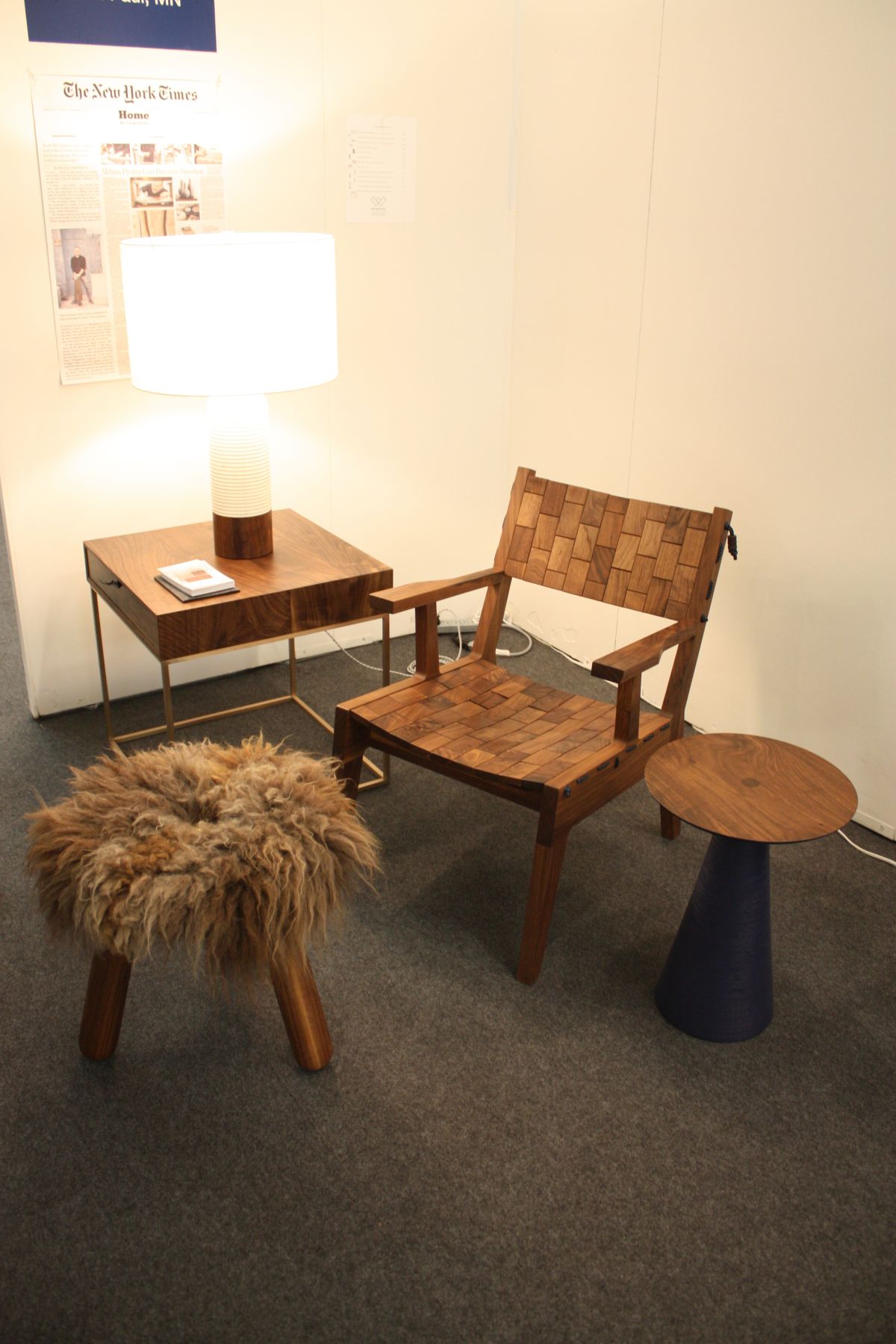 View in gallery
 Most of the states associate the color "brunette" with hair, and many might call anyone with medium-brown or darker hair by the same name. The brunette that shows upwardly in this mannerly corner infinite is more of the shadowed spaces. Where the chair itself might exist more of a caramel, the small, warm lighting creates pockets of darker brunette dark-brown. This is ofttimes an disregarded element of decorating – taking into consideration all the colors in all the lighting situations and diverse times of 24-hour interval. A lighter wall is a good choice here to brighten the space overall, simply the brunette and darker browns used here certainly create a refreshing sense of comfort and stability.
Tea Brown.
 View in gallery
 Tea brown is one of the master elements of the flooring in this photograph. A lighter, unassuming dark-brown, tea brownish perfectly blends a bit of grey with its brown-ness for a harmonious and rather encouraging aesthetic. The darker sorrel brown wait of the countertops and sink in this photograph pulls neatly from the floor grain for a cohesive await. And it'southward my opinion that the colors that work all-time in a food-centered space (like the kitchen) are colors that are as well edible. Tea brownish is a design shoo-in.
Night Chocolate.
 View in gallery
 This multi-toned wall contains elements of milk and night chocolate, with a fantastic effect. In an industrial space, where metallic and harsher decorating elements are cardinal, comforting emphasis wall color(s) create balance amid the contrast. Working in a variety of means (e.m., background and/or emphasis), browns are pro at blending with not only other browns but also other colors for maximum artful appeal. Personally, I think the charcoal grey wall next to this night chocolate one, brought together past the metal barrel sink, is genius.
Mondo Brown.
 View in gallery
 This lightened upwards version of cool mondo dark-brown is the epitome of the concept that color and design enhance each other. While mid-range browns, by default unless proven otherwise, have a color association of being dull and not-creative, they can be proven incorrect by existence the color of selection for a standout pattern. In this way, the piece itself and the color don't compete with each other; rather, they play their dual roles to perfection, as is the example with this gorgeous mondo brown freestanding oval bathtub.
Source: https://www.homedit.com/shades-of-brown/

Post a Comment for "Shades of Brown: Key Basics for Using Brown in Home Décor"